
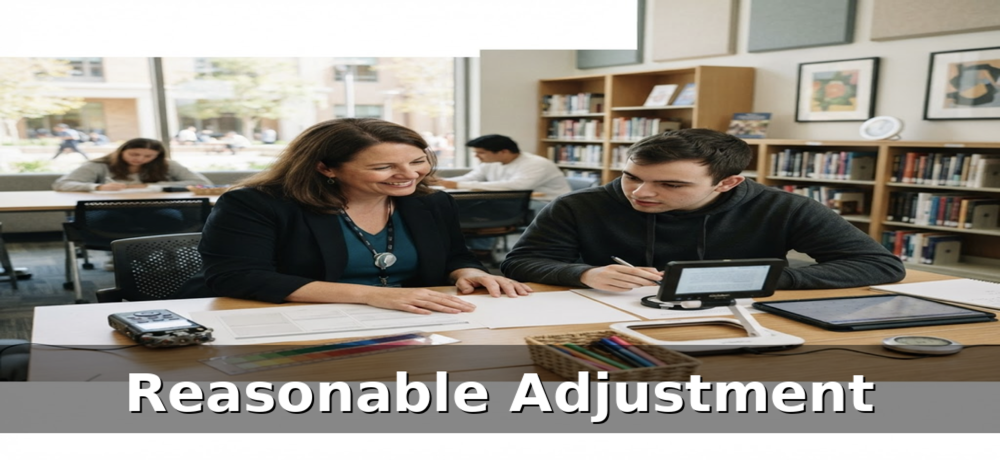
Reasonable Adjustments in Vocational Assessment: Ensuring Fair Access
Vocational qualifications should reflect your actual skills and potential, unhindered by unnecessary physical, sensory, or learning barriers. Understand how reasonable adjustments create an equitable assessment environment for every learner.
What is a Reasonable Adjustment?
A reasonable adjustment is an arrangement approved before an assessment takes place that enables a learner with a disability, long-term health condition, or learning difference to demonstrate their knowledge without compromising qualification standards.
Under UK legislation and awarding organisation guidelines, reasonable adjustments remove artificial hurdles so that all candidates are evaluated on an equal footing. Importantly, an adjustment changes how an assessment is conducted or presented—it never lowers the academic rigour or competence requirements of the qualification itself.
Who Qualifies Under the Equality Act 2010?
In the United Kingdom, the Equality Act 2010 provides clear protections for individuals with physical or mental impairments that have a substantial, long-term adverse effect on their ability to carry out normal day-to-day activities. Learners who qualify for reasonable adjustments include those with:
- Specific Learning Differences: Dyslexia, dyspraxia, dyscalculia, or ADHD.
- Sensory Impairments: Visual or hearing impairments requiring modified assessment materials.
- Physical or Mobility Conditions: Conditions affecting motor skills, writing speed, or workstation setup.
- Long-Term Health & Mental Health Conditions: Chronic fatigue, anxiety, depression, or autoimmune illnesses.
Common Types of Reasonable Adjustments
Adjustments are always tailored to individual needs rather than adopting a one-size-fits-all model. Common modifications implemented during vocational courses include:
- Extra Time: Additional time allocation for written assignments, timed tests, or online examinations.
- Assistive Technology: Permission to use screen-reading software, speech-to-text tools, or specialised keyboards.
- Alternative Formats: Large-print documents, coloured backgrounds, or audio-recorded assessment briefs.
- Support Personnel: Access to a designated scribe, reader, or practical assistant during practical observations.
How to Request an Adjustment & Awarding Body Approval
At Coursetopia, requesting support is straightforward and completely confidential. We encourage candidates to declare any requirements during our pre-enrolment stage or when reviewing how to enrol on our courses.
Once disclosed, your dedicated learning advisor helps assemble supporting documentation (such as an educational psychologist assessment or medical letter) and submits a formal application to the appropriate awarding body. Throughout your studies, our support team ensures your agreed accommodations remain seamlessly active, as outlined in our guide to candidate care after enrolment.
Frequently Asked Questions About Reasonable Adjustments
Will a reasonable adjustment alter my final qualification certificate?
No. Certificates issued by awarding bodies are identical for all successful learners. An adjustment guarantees fair access during assessment but does not alter the qualification standard.
When should I request a reasonable adjustment?
You should inform us as early as possible—ideally during pre-enrolment—so that accommodations are formally approved before your first assessment deadline.
What evidence is required to support my request?
Depending on your needs, suitable evidence includes a diagnostic assessment report from a qualified specialist, a GP letter, or prior EHCP documentation.
Are there any additional fees for arranging adjustments?
No. Coursetopia and our partner awarding organisations provide all approved reasonable adjustments entirely free of charge to the learner.
Ready to Get Started?
Browse our full range of regulated qualifications and find the right course for your career goals.
View All Courses